
Spectator Sport Media
Time Blocking for Student Athletes: Take Control of Your Schedule Before It Controls You
You’re not lazy. You’re just overloaded...school, practice, weights, games, homework, and maybe a part-time job. Oh, and your friends want to hang out too? Here’s the truth: You don’t need more time. You need a better system.
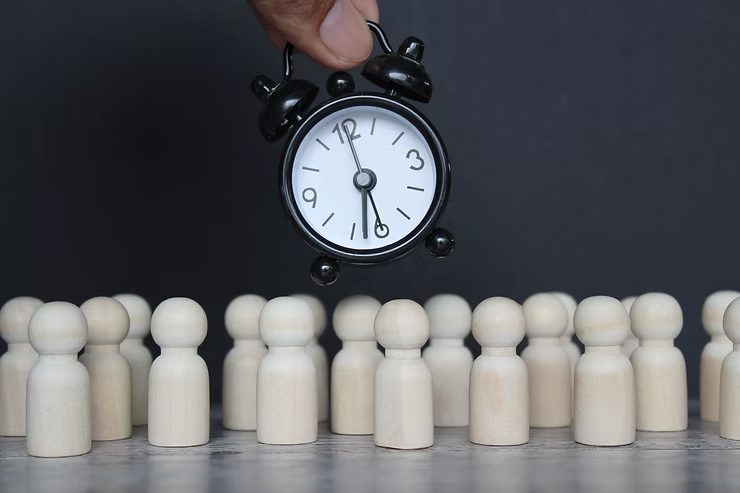
You’re not lazy.
You’re just overloaded...school, practice, weights, games, homework, and maybe a part-time job. Oh, and your friends want to hang out too?
Here’s the truth:
You don’t need more time. You need a better system. That system is called time-blocking, and it can help you do more, while relieving stress and helping you grow as an athlete and student.
At Spectator Sport, we train athletes to dominate every area of their life, not just the scoreboard. Time-blocking is one of the simplest but most powerful tools in your arsenal.
What Is Time-Blocking?
Time-blocking means breaking your day into dedicated chunks of time for specific tasks. Instead of winging it, you schedule when you’ll:
Go to class
Train
Study
Recover
Eat
Rest
Think of it like a playbook... every part of your day has a purpose, and you run the clock, not the other way around.
Why Time-Blocking Works for Athletes
Reduces stress and last-minute scrambling
Helps balance academics, sports, and rest
Keeps you focused. one task at a time
Builds discipline and routine
Gives you more freedom because you’re in control
How to Time-Block Like a Pro
1. Use a Weekly Calendar or Planner
You can go physical (planner, whiteboard) or digital (Google Calendar, Notion, Apple Calendar). Choose what works for you and be consistent.
2. Start With Your Non-Negotiables
Add the stuff you can’t move:
Class schedule
Practice/games
Travel
Sleep (yes, schedule it!)
3. Add in Your Training & Recovery Blocks
Include:
Strength sessions
Skill work
Ice baths, stretching, and mobility
Meals and hydration breaks
Tip: Treat recovery like a class, missing it costs you long-term.
4. Create a Dedicated Study Block
Pick a time every day (or week) when you grind schoolwork; no distractions, no scrolling.
Example:
4:00–5:30 PM: Study block (library or desk, no phone)
7:30–8:00 PM: Review notes or prep for quizzes
5. Schedule Buffer Time
Things will shift. Add extra minutes between blocks to reset or handle surprises. This gives your schedule flexibility without chaos.
6. Make Time for Joy + Life
Yes, seriously. Build in time for:
Hobbies
Friends
Faith or family time
Chill time (just don’t overdo it)
Balance isn’t weakness. It’s a performance enhancer.
Sample Time-Blocked Day
6:00 AM – Wake up & stretch
6:30 AM – Team lift
7:30 AM – Breakfast
8:00–2:30 PM – Classes
3:00 PM – Practice
5:30 PM – Dinner + shower
6:30–8:00 PM – Homework / Study
8:00–8:30 PM – Screen-free wind down
9:00 PM – Sleep
Repeat with consistency; adjust for games, tournaments, or finals week.
Final Word: Structure Creates Freedom
It’s not about being perfect.
It’s about being intentional, so your days work for you, not against you.
You can’t control every outcome. But you can control how you use your time.
At Spectator Sport, we don’t just train athletes.
We teach them how to manage pressure, purpose, and their calendars.