Spectator Sport Media
Building Meaningful Connections: How Coaches Can Truly Connect With High School Athletes
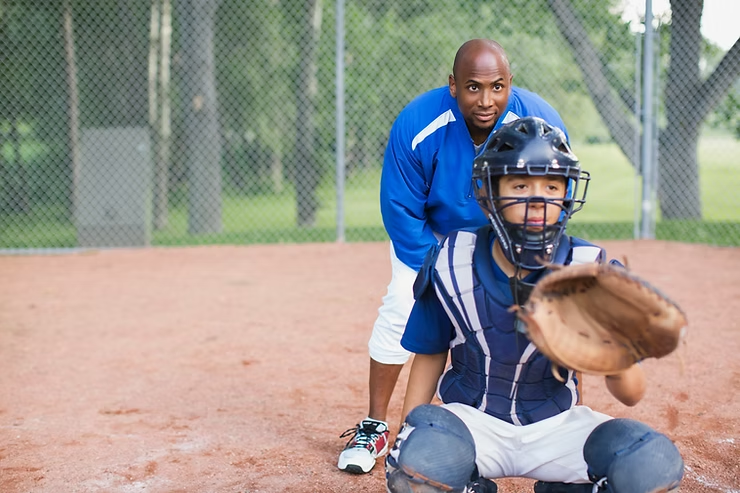
In the emotionally charged and formative years of high school, coaches often become more than instructors. They become trusted mentors and powerful influences.
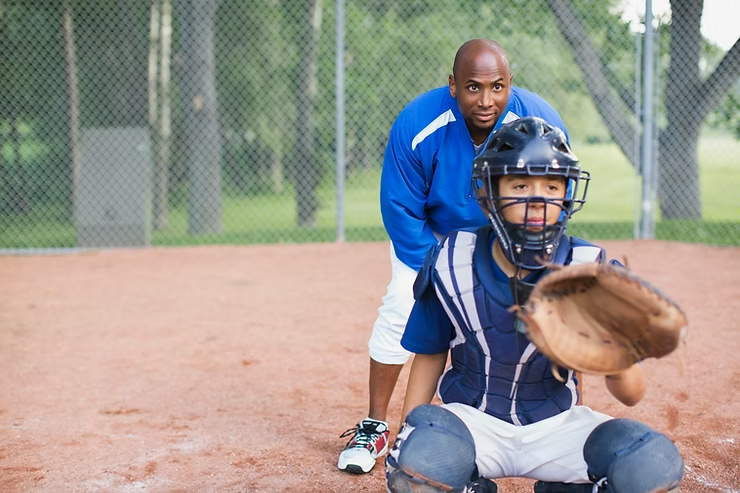
In the emotionally charged and formative years of high school, coaches often become more than instructors. They become trusted mentors and powerful influences.
Youth-sports research consistently finds that coaches rank among the most influential role models in a young athlete's life, underscoring the impact coaches can have beyond the game.
Creating real, lasting connections with student-athletes doesn't require grand gestures, it starts with consistent, intentional actions. Here's how coaches can forge those bonds and support their players' development on and off the field.
1. Understand Their World
Teenagers today face complex pressures: academics, social media, college expectations, family dynamics, and identity exploration. Recognizing their broader reality is crucial.
A Common Sense Media study found that 50% of teens feel addicted to their phones, highlighting the digital distractions they’re navigating.
Surveys of teens, including the American Psychological Association's Stress in America reports, consistently find that the large majority of students report significant stress in their lives.
Coaching Tip: Regularly ask questions like, “How’s everything going outside of practice?” or “What’s something you’re looking forward to this week?”
2. Listen First, Coach Second
Strong communication starts with listening. According to the Positive Coaching Alliance, athletes who feel heard by their coaches are more likely to stay involved in sports and develop leadership skills.
Create time for one-on-one conversations.
Avoid rushing into advice mode, sometimes listening is the solution.
Coaching Tip: Begin feedback sessions with, “What do you think went well or could improve?”
3. Be Consistent and Authentic
Athletes thrive on stability. In a world where rules and relationships can feel inconsistent, being a steady presence is invaluable.
A survey by the National Alliance for Youth Sports shows that 70% of kids quit sports by age 13, often due to negative coaching experiences or lack of connection.
Teens are more likely to trust adults who admit mistakes and show vulnerability.
Coaching Tip: Share appropriate personal stories that reveal your values and journey in sports. It makes you real, not just an authoritative figure.
4. Celebrate Effort, Not Just Results
Focusing only on wins can alienate athletes, especially those still developing skills. Research from Stanford’s Carol Dweck on the growth mindset reveals that praising effort leads to greater resilience and motivation.
Make a habit of acknowledging hustle plays, leadership moments, and emotional growth.
Use stats for improvement, not just performance. For example, “Your pass accuracy improved 12% this week!”
Coaching Tip: Give at least one piece of positive feedback for every correction.
5. Create a Safe, Inclusive Culture
Team culture can make or break an athlete’s experience. The NCAA reports that a supportive team environment increases athletes' mental well-being and retention in sports.
Promote team-building exercises and inclusive traditions.
Actively intervene in cliques, exclusion, or harmful locker room talk.
Coaching Tip: Let captains or leaders help set team norms, with your guidance.
6. Stay Engaged Beyond the Season
When athletes know you care about them beyond the game, it deepens connection. A long line of coaching-behavior research has found that athletes with a strong bond to their coach are far more likely to continue in the sport and to enjoy it more.
Attend a school play, band concert, or academic event.
Send a check-in message over summer or during recovery from injury.
Coaching Tip: Build a tradition of writing end-of-season letters to each athlete; brief, personal, and affirming.
Final Thoughts
Connection isn't about being the "cool coach", it's about being the coach who shows up, listens, and leads with heart. When you build trust and respect with your athletes, you not only improve their performance, you impact their lives. That's what they'll remember most.
“They may forget what you said, but they will never forget how you made them feel.” (Maya Angelou)
Photo Gallery