Spectator Sport Media
The Last Line: Georgia King’s Story
How a Timpanogos multi-sport athlete learned that the thing she defended was bigger than a goal.

How a Timpanogos heptathlete who does everything learned that her worth was never in any of it
Three minutes into the 4A state championship, the Timpanogos sideline went quiet in the way that has nothing to do with volume. The scoreboard at Zions Bank Stadium already read 2–0, the wrong direction (top-seeded Mountain Crest had struck in the first minute and again in the third), and you could feel the question move through the third-seeded Timberwolves' bench like a cold draft: How on earth has this happened? It had taken Timpanogos seven years to get back to a state final. It was coming apart in under three minutes.
Robyn Bretzing looked out at her defense expecting to find her own shock mirrored back at her. Instead she found her outside back already moving: down the line, clapping, mouth going.
Guys, we've got this. We can step up right now. We can do this.
Georgia King was the last line of defense on that field, the player standing between a fast comeback and a worse afternoon. What Bretzing would remember, long after the final whistle, was not the deficit. It was that when everyone else's head dropped, one player's came up.
"When her team needed her, she was there for them," Bretzing said. "On the field, she's a fierce competitor. But off the field, she is the most genuinely kind, funny, outgoing," she paused. "To know Georgia is to love Georgia, because she loves everybody."
The story of how she got to that moment is not really a soccer story. It runs through three sports and one hard year, and it ends somewhere most seventeen-year-old athletes never think to look: at the difference between what you do and who you are.
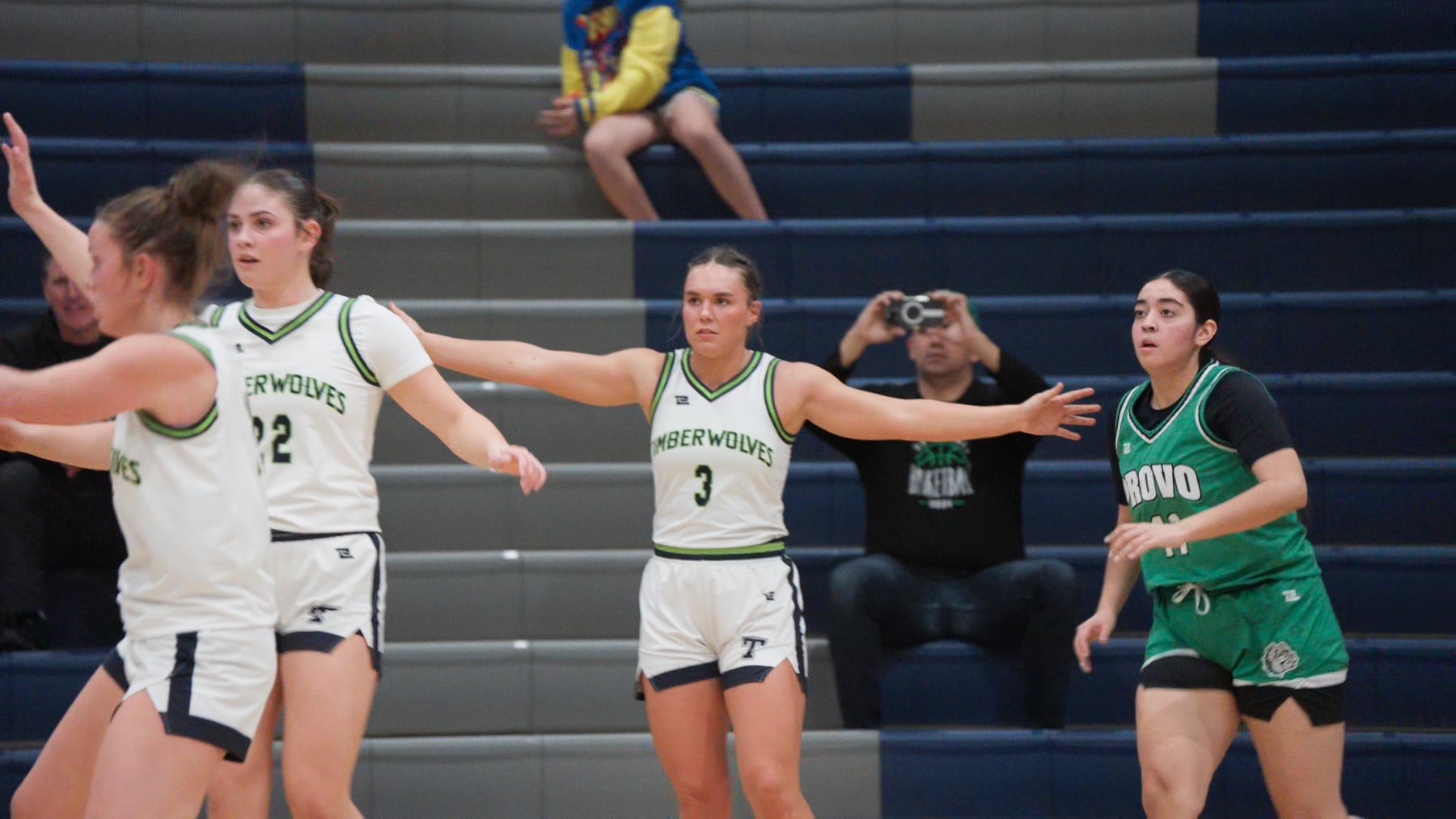
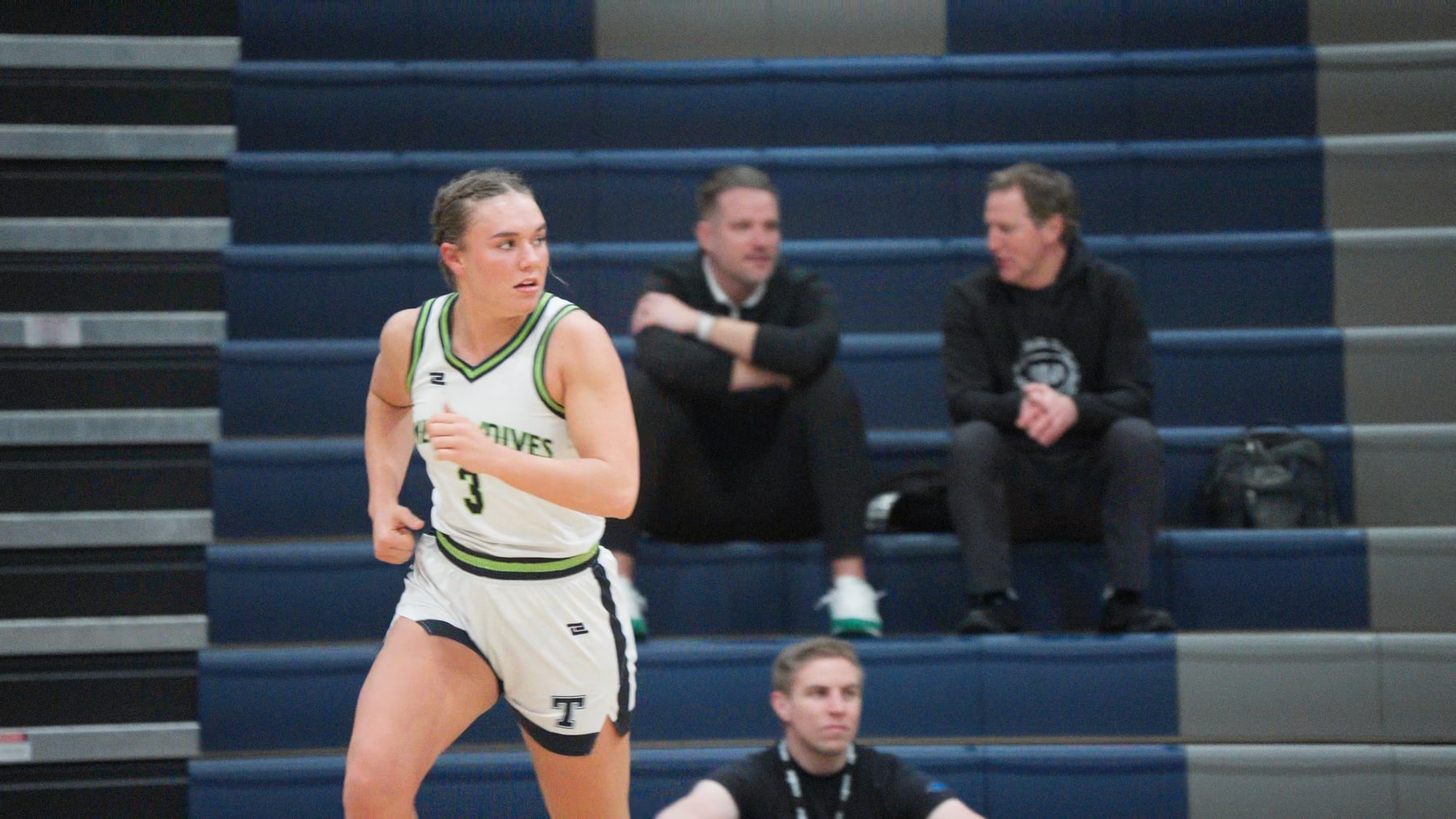
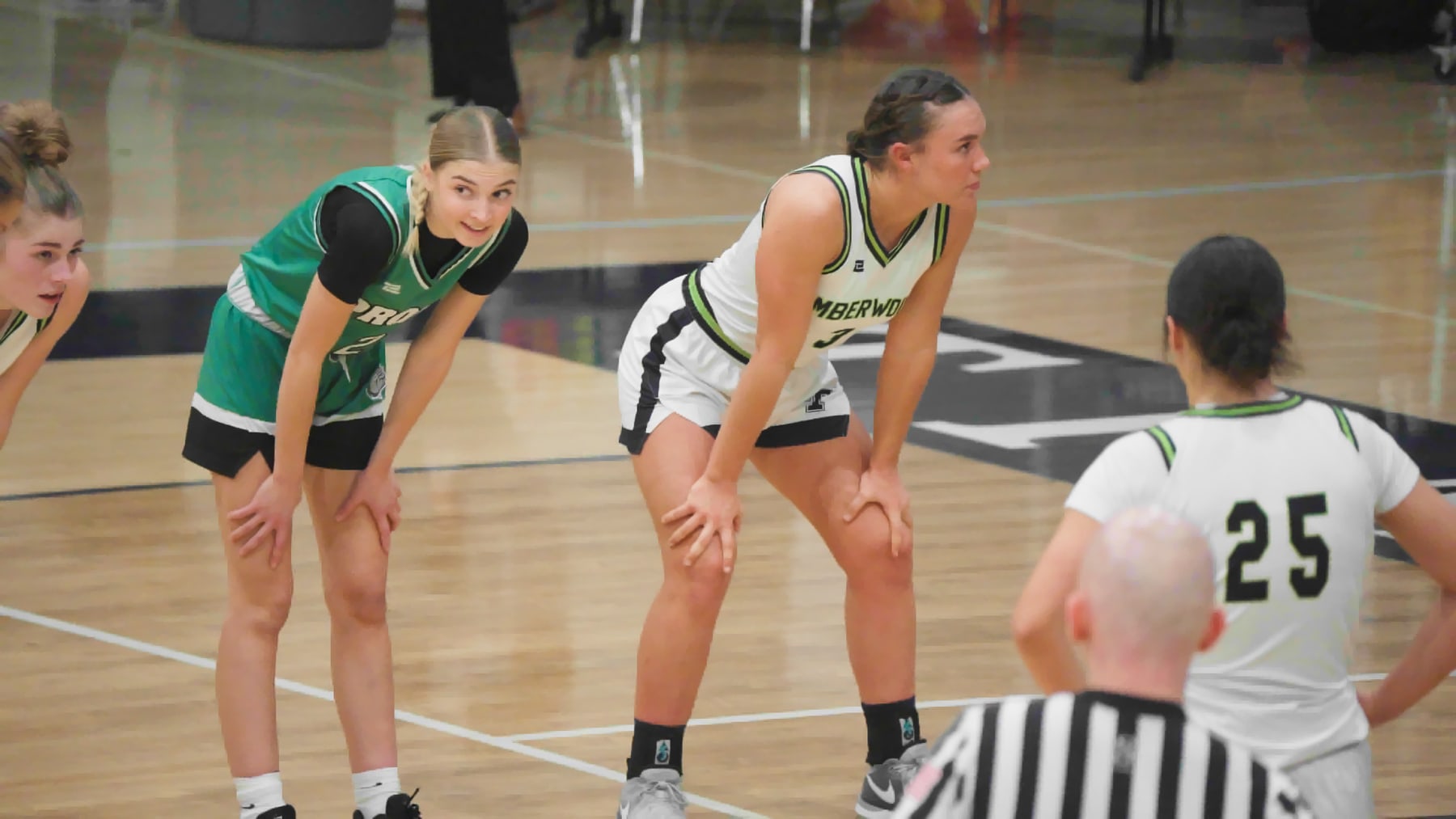
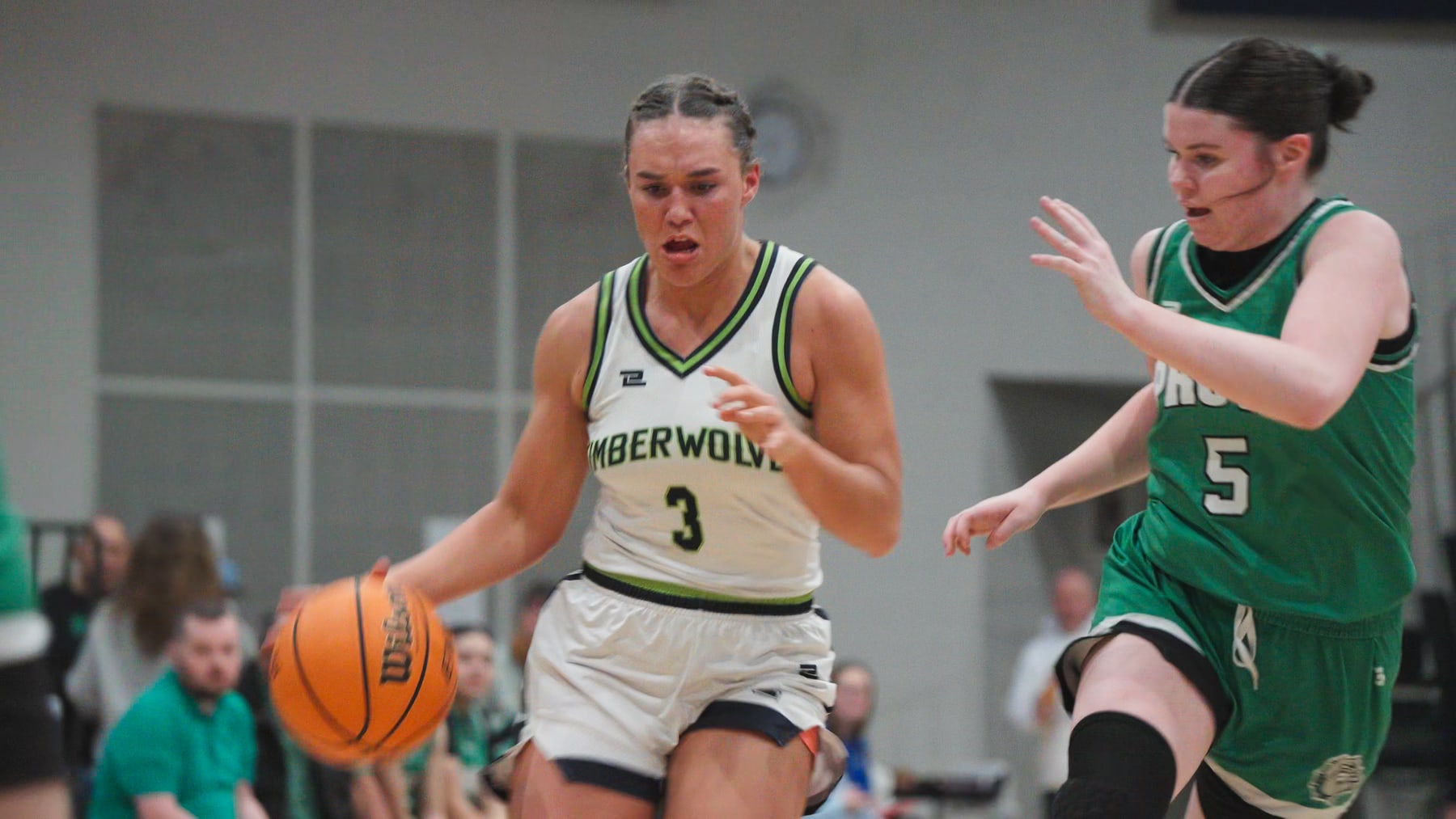
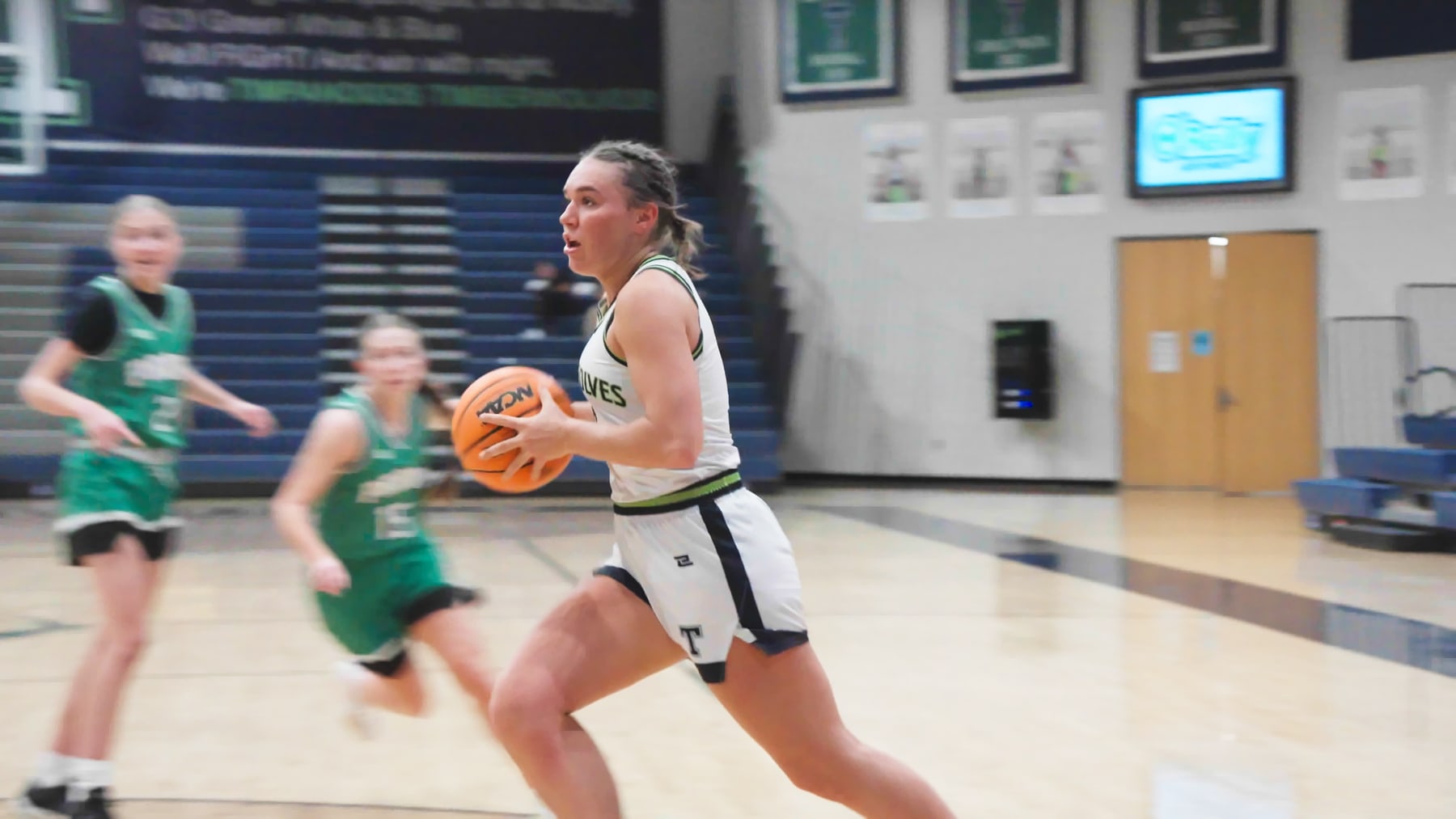
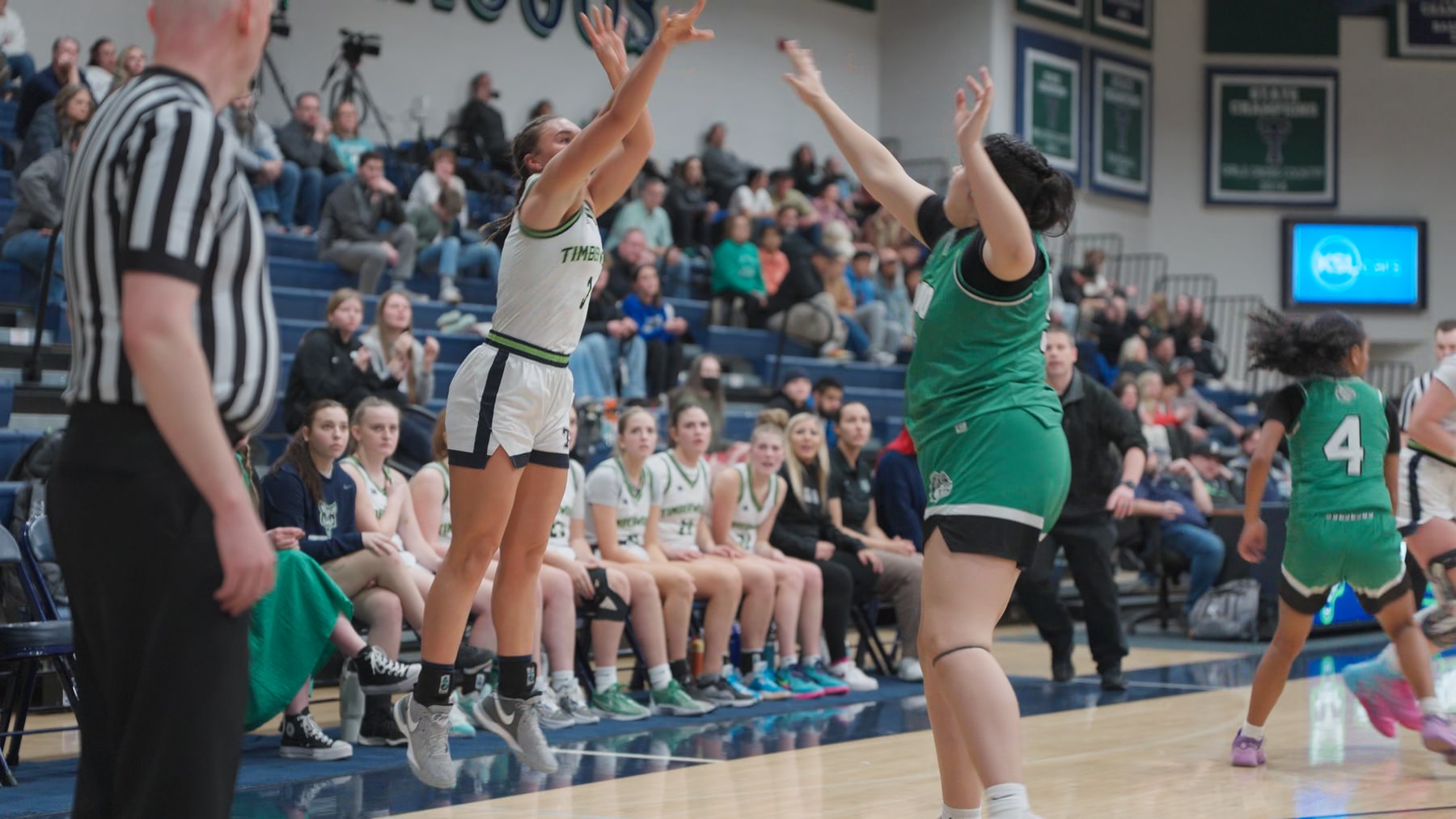
Start with the inventory, because it's almost comic. Georgia King plays soccer, basketball, and track for Timpanogos High School in Orem. In soccer she's a defender. In track she's a heptathlete, "the easiest way to put it," she says, "is I basically do everything." In basketball she leads the state in rebounds.
Those last two facts are not unrelated, and she'll tell you exactly why.
"I am right now leading in the state for rebounds," she says, "and all due to my vertical jump, because of high jump."
That is the whole athlete in one sentence: a track event quietly winning basketball games. It's also the argument her soccer coach has been making for thirty years.
"I'm a proponent of playing multiple sports," Bretzing says. She's coached at Timpanogos since 1996, when she was hired to take over both the boys' and girls' programs, a former BYU coach who had played at the national level and, frustrated that the girls' clubs of the day treated their teams as an afterthought, once started an all-girls club from scratch. "When we do this single-sport focus, I think it's hurting our athletes. I love these athletes that can still do multiple sports."
In Georgia she got the proof. You could see basketball's defensive pressure in her tackling. You could see the track athlete in her nerve. "When you're a track athlete," Bretzing says, "you have to have a lot of confidence, because there's not a team around you. It's you against the other people." That solitude, she believes, is what let Georgia stand in a soccer back line and say, this is mine, I am going to own it.
It runs in the family, in a slightly mismatched way. Georgia's mother played basketball, track, and softball in high school, every sport, that is, except soccer. "She's just like me," Georgia says, "but that was the one sport she did not." The daughter took the one her mother skipped and made it the center of everything.
She did not start there. She started, like every kid who ever loved the game, wanting to score.
Bretzing first saw her at a high school camp when Georgia was an eighth grader and assumed she was a junior: too big, too physical, too unbothered by the older girls to be thirteen. "Please tell me she's coming to my high school," the coach remembers thinking. Georgia made varsity as a freshman, which at a program with Timpanogos's history almost never happens.
She tried out as a forward. The forward line was already deep with upperclassmen.
"This has happened a couple of times in my career," Bretzing says. "I look at a player and say, okay, I know you think you're a forward. But I see really good potential in another position. How do you feel about defense?"
Ask a forward to play defense and you get the look: I don't want to be a defender, I want to score. But the position fit her like it had been waiting. The trouble was that Georgia didn't believe it yet. That first year she came off the field again and again, deflated. I'm not doing good. The coach kept telling her she was wrong. It took two full seasons for the talent and the confidence to arrive at the same time. By her junior year she was, Bretzing says flatly, one of the best defenders the program has ever had, the kind opposing coaches sought her out to name. Your outside back is unbelievable.
That is a strange compliment to chase. Defenders don't get the glory. "You don't have the thing, you don't have scoring goals," Bretzing says. "The recognition goes to your forwards, your mids, your goalies. You don't really hear a lot about defenders." Learning to lead from the back, with none of the spotlight, is one of the hardest things she knows how to coach. Georgia did it by becoming, in her own words, the safety net she once needed.
"I have been in the position where I've been yelled at, where I've just been freaked out," Georgia says. "So I always try being that teammate to know: hey, it is okay. If you do anything wrong, I'm here, I've got your back. Especially being a defender. I really am getting their back by being the last line of defense."
The aggression was never the problem. The problem was that, for a while, it was all there was.
"In her mind, there is no scrimmage," Bretzing says. "In practice there were moments where her teammates would get upset with her, because she was so competitive. No matter what the game was (a drill, anything), she was going all out." The coach loved it and could not fully use it. Part of the job became teaching Georgia how to ease off the throttle enough to pull her teammates along instead of leaving them behind. The program runs a summer "Team Wolf Challenge" (mind, body, character; a book on mental toughness each year) built on the premise that you develop the person, not just the player.
And then came the year the engine seized.
"Definitely some downs with just losing my confidence," Georgia says. "Nothing was going right. I couldn't get a ball off my foot. I couldn't make a pass right. And it was just this time where I was like: I just am losing myself. This is not how I play."
Listen to how she describes the trap, because most athletes never name it this clearly: "I feel like that's what we get lost in, is defining ourselves. This is how I played, so now I'm awful, because of just one mistake."
The way out was not a drill. It was a redefinition.
"Honestly, for me, I just had to value myself outside of sports," she says. "Finding that value in: okay, yes, I had a bad game. But this doesn't mean I'm a bad player. This doesn't mean I'm not going to have another good game."
She built a routine out of it, small enough to fit between possessions. A deep breath. Get back in it. The game's not over. It doesn't matter about one mistake. You just keep going. It is the most ordinary advice in sports and the hardest to actually believe about yourself, and the difference is the entire story.
It is also, almost word for word, what Bretzing had been preaching all along. "Every season she'll say it," Georgia says of her coach. "She does not want to make us better athletes, but a person. She wants us being the person in the halls saying hi to everyone." When the nomination for this story came from Bretzing, that's what landed. "That's really what I wanted to focus on," Georgia says. "Not how I was as a teammate, but how I was as a person."
The leadership came before the title did.
Bretzing tells it this way: at the start of the senior season, before any armband, Georgia pulled her aside. Coach, I'm going to do all I can to bring this team to the championship game. I'm going to take this team on my shoulders. She would captain that team. But the resolve, the coach is careful to say, didn't wait for the role. "She was realizing her leadership shouldn't have to be a captain. With her example, she could bring the girls along."
She wasn't loud about it. "Some people are boisterous leaders that talk a good game," Bretzing says. "Georgia led by example. Her teammates saw her work ethic. They saw what she was willing to sacrifice on the field and off it. And they wanted to raise their level for her."
Which brings the story back to where it started: three minutes into the championship, two goals down, a stadium's worth of shock, and one defender refusing to accept the premise. Mountain Crest added a third in the second half. Timpanogos never stopped pushing, and in the closing minutes senior Haley Hutchins finally beat the Mustangs' keeper to make it 3–1. If we hadn't given up those two early goals, Bretzing says, with the particular ache coaches reserve for the games that got away, it would have been a totally different game.
It ended 3–1: a runner-up trophy, not the one they'd promised each other. That isn't the point of the scene, and Bretzing knows it. Afterward she said she was proud her team refused to leave the field without scoring. "When everybody else was hanging their heads, Georgia was lifting them up," she says. "I really saw the maturity in her at that moment."
What you defend, in the end, isn't only the goal.
She's leaving now, off to play at Snow College. Soccer is the path she's chosen to carry forward, the four years at Timpanogos behind her decorated with all-state, all-region, and all-county honors at outside back. ("Basketball was a little fun side quest," she admits, the state rebounding lead notwithstanding. "I just love staying active.") Her basketball coach this past season, Tony Ingle Jr. (in his first year running the program) called her one of the toughest competitors he's ever seen, the kind who, he says, "does all the things that sometimes don't show up on stat sheets, but gets the job done." She has coached a little, here and there, younger kids, and found she loved it; her old soccer coach would not be surprised to see her on a sideline someday, saying the same things to some nervous freshman defender that were once said to her.
If she could leave one thing with the athletes coming up behind her, the ones in the season where nothing comes off the foot right, where one bad game starts to feel like a verdict, it's the thing it took her years to learn.
"It gets better. It really does," she says. "You just need to find out what makes you a person outside of a sport."
She is, for the record, the state's rebounding leader as her coaches counted it, a four-year varsity defender opposing coaches knew by name, a heptathlete who turned a high jumper's spring into rebound after rebound. None of it is the answer she gives. That's how you know she finally learned it.
Photo Gallery